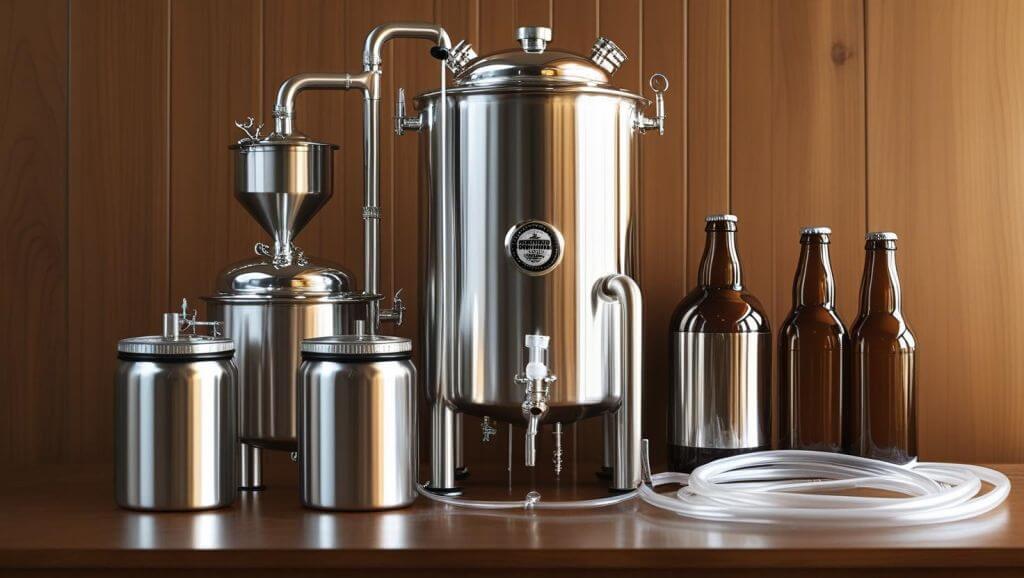
Starting your home brewing journey can feel overwhelming with all the equipment options, techniques, and terminology floating around brewing forums and homebrew shops. While you’ll eventually need fermenters, hydrometers, and specialty grains, there’s one piece of brewing equipment that stands above all others in importance: sanitizer.
If you take away just one lesson from this guide, let it be this: proper sanitation will make or break your beer. You can have the perfect recipe, premium ingredients, and ideal fermentation conditions, but a single contaminated surface can turn your carefully crafted brew into an undrinkable mess. That’s why sanitizer isn’t just recommended for home brewing—it’s absolutely essential.
This comprehensive guide will walk you through everything you need to know about home brewing sanitizer, focusing on the two most trusted options: Star San and Iodophor. Whether you’re brewing your first batch or looking to upgrade your sanitation game, understanding these products will set the foundation for consistently great beer.
Why Sanitizer is Your Most Important Home Brewing Equipment
Home brewing is essentially controlled fermentation. You’re creating the perfect environment for yeast to convert sugars into alcohol and carbon dioxide. Unfortunately, harmful bacteria, wild yeast, and other microorganisms love this same environment. Without proper sanitation, these unwanted guests will contaminate your beer, creating off-flavors, strange aromas, or even making your brew undrinkable.
Professional breweries invest heavily in sanitation systems because they understand this fundamental truth. As a home brewer, you need to approach sanitation with the same level of seriousness. Every piece of brewing equipment that comes into contact with your beer after the boiling stage must be properly sanitized.
The good news? Modern home brewing sanitizers make this process straightforward and effective. Unlike harsh chemicals that require extensive rinsing, products like Star San and Iodophor are designed specifically for brewing applications. They eliminate harmful microorganisms while remaining safe for your beer and your health.
Star San: The Gold Standard of Home Brewing Sanitizers
Star San has earned its reputation as the most popular sanitizer among home brewers, and for good reason. This acid-based sanitizer combines effectiveness with convenience in ways that have revolutionized home brewing sanitation.
What Makes Star San Special
Star San’s phosphoric acid formula creates an environment where bacteria and wild yeast simply cannot survive. The low pH environment (around 2.0 when properly mixed) eliminates contaminants on contact while remaining completely safe for your beer. Even better, Star San is a “no-rinse” sanitizer, meaning you can use your equipment immediately after sanitizing without worrying about residual chemicals affecting your brew.
One of Star San’s biggest advantages is its foam production. While the thick, persistent foam might seem excessive at first, it’s actually a feature, not a bug. This foam clings to vertical surfaces and hard-to-reach areas, ensuring complete coverage of your brewing equipment. The foam also indicates that your Star San solution is still active and effective.
How to Use Star San Properly
Mixing Star San requires precision. The standard dilution rate is 1 ounce of Star San per 5 gallons of water, creating a solution with the proper pH and sanitizing power. Always use distilled or reverse osmosis water when possible, as minerals in tap water can reduce Star San’s effectiveness and lifespan.
The mixed solution can be stored and reused for several weeks, provided it maintains its proper pH. Many experienced home brewers keep a spray bottle of Star San solution handy for quick sanitizing tasks throughout their brewing day. Just remember to test the pH periodically with test strips—if it rises above 3.0, it’s time to mix a fresh batch.
Star San Best Practices
Always add Star San to water, never the reverse, to prevent concentrated chemical exposure. The solution works on contact, so there’s no need for extended soaking times. A quick spray or brief contact is sufficient for most applications. Store your mixed solution in a closed container to prevent pH changes from exposure to air and minerals.
Iodophor: The Reliable Alternative
While Star San dominates current discussions about brewing equipment, Iodophor remains a solid choice for home brewing sanitization. This iodine-based sanitizer has been trusted by home brewers for decades and continues to deliver reliable results.
Understanding Iodophor
Iodophor combines iodine with a surfactant (wetting agent) to create a sanitizer that’s both effective and easy to use. The amber-colored solution kills bacteria, viruses, and wild yeast while remaining gentle on your brewing equipment. Like Star San, properly diluted Iodophor requires no rinsing, making it convenient for home brewing applications.
The typical mixing ratio for Iodophor is 1 tablespoon per 5 gallons of water, creating a solution with approximately 12.5 ppm of available iodine. This concentration provides effective sanitization while remaining safe for contact with your beer.
Iodophor Advantages
Iodophor works well in a wider range of water conditions compared to Star San. If your tap water is particularly hard or alkaline, Iodophor might maintain its effectiveness better than acid-based alternatives. The solution also has visual indicators of its strength—a proper Iodophor solution should have a light amber color, similar to weak tea.
Many home brewers appreciate Iodophor’s gentleness on skin and equipment. While you should still avoid prolonged contact, Iodophor tends to be less harsh than other sanitizing options, making it suitable for brewers with sensitive skin.
Working with Iodophor
Fresh Iodophor solution provides the most reliable results. Unlike Star San, which can be stored for weeks, Iodophor solutions should be mixed fresh for each brewing session. The solution loses effectiveness more quickly when exposed to light and air, so mix only what you need.
Contact time with Iodophor is slightly longer than Star San—allow at least 30 seconds of contact time for effective sanitization. This makes it less ideal for quick spray-and-go applications but perfectly suitable for soaking equipment before use.
Choosing Between Star San and Iodophor
Both Star San and Iodophor will effectively sanitize your brewing equipment, but certain factors might make one more suitable for your specific situation.
Choose Star San if you want the most popular option with the longest storage life. Its foam action makes it excellent for sanitizing fermenters and other large equipment. The no-rinse formula and long-lasting mixed solution make it convenient for frequent use.
Consider Iodophor if you have very hard water or prefer a gentler sanitizer. It’s also typically less expensive than Star San and works well for brewers who prefer to mix fresh solutions for each batch.
Essential Sanitation Techniques for Home Brewing
Effective sanitation goes beyond just having the right sanitizer. Your technique and timing matter just as much as your choice between Star San and Iodophor.
Pre-Cleaning is Critical
Sanitizers work best on clean surfaces. Always wash your brewing equipment with a brewery cleaner or mild detergent before sanitizing. Organic matter, proteins, and mineral deposits can interfere with sanitizer effectiveness and harbor bacteria.
Sanitize Everything That Touches Cool Wort
Any piece of equipment that comes into contact with your beer after the boiling stage needs sanitization. This includes fermenters, airlocks, siphoning equipment, bottles, and even your hands. The high temperatures during boiling provide natural sanitization, but once your wort cools below 180°F, contamination becomes a real risk.
Timing Your Sanitization
Plan your sanitization steps to minimize the time between sanitizing and use. While both Star San and Iodophor are no-rinse sanitizers, equipment should be used promptly after sanitizing for maximum effectiveness.
Building Your Home Brewing Sanitization Kit
A well-equipped home brewer keeps several sanitization tools on hand. Start with a large container for mixing sanitizer solution—a 6-gallon plastic bucket works perfectly and gives you room to soak most brewing equipment.
Add a spray bottle for quick sanitizing tasks. Fill it with your Star San or Iodophor solution for easy application to small items or hard-to-reach areas. Keep pH test strips handy if you’re using Star San to monitor solution effectiveness.
Consider dedicating specific equipment to sanitization duties. A separate siphon racking cane used only for transferring sanitizer can prevent cross-contamination and make the process more efficient.
Common Sanitization Mistakes to Avoid
Even experienced home brewers sometimes cut corners on sanitation, usually to their regret. Don’t assume that alcohol content will prevent contamination—bacteria and wild yeast can establish themselves before your beer reaches protective alcohol levels.
Avoid mixing different sanitizers or adding extra chemicals to boost effectiveness. These products are carefully formulated, and modifications can reduce their effectiveness or create unsafe conditions.
Never skip sanitizing steps because you’re in a hurry. The few minutes saved aren’t worth the risk of ruining an entire batch of beer. Similarly, don’t reuse sanitizer solutions beyond their recommended lifespan—fresh sanitizer is always more effective.
Taking Your Sanitation Game to the Next Level
As you become more experienced with home brewing, you might want to explore advanced sanitization techniques. Some brewers use sanitizer solutions in spray bottles to mist the air around their work area, reducing airborne contamination risks.
Consider the sanitization benefits of proper storage. Clean, sanitized equipment stored in closed containers stays ready for use longer than equipment left exposed to air and dust.
Temperature awareness can improve your sanitization effectiveness. Both Star San and Iodophor work faster at higher temperatures, so warm (not hot) solutions can speed up your brewing day.
Your Next Steps in Home Brewing
With proper sanitization knowledge and the right equipment, you’ve addressed the most critical factor in brewing success. Star San and Iodophor both offer reliable sanitization when used correctly, and your choice between them often comes down to personal preference and local water conditions.
Remember that great beer starts with great sanitation practices. Every professional brewer will tell you that cleanliness and sanitization matter more than expensive equipment or exotic ingredients. Master this fundamental skill, and you’ll be well on your way to brewing consistently excellent beer at home.
As you continue your home brewing journey, maintain the same careful attention to sanitization that you bring to recipe development and fermentation management. Your taste buds—and anyone lucky enough to sample your creations—will thank you for it.