Chicago loves a trailblazer, and Goose Island Beer Co. fits the bill. From pioneering the Midwestern craft scene in the late 1980s to redefining barrel-aged beer with Bourbon County Brand Stout, Goose Island helped shape how America drinks, ages, and talks about beer. This spotlight breaks down what to drink (and when), how the barrel program became a global benchmark, what the Fulton Street facility feels like on a visit, and smart planning tips for your Chicago itinerary.
- Address: 1800 W Fulton St, Chicago, IL 60612
- Website: https://www.gooseisland.com/
What You’ll Learn
- How Goose Island helped set the pace for American craft and barrel-aged beer
- Why Bourbon County Brand Stout (BCBS) turned release day into a national event
- How the barrel program innovates with adjuncts, blends, and quality control
- What to expect from the Fulton Street taproom and tour experience
- Food pairings, smart flights, and practical tips for visiting in Chicago
Why Goose Island Matters: A Craft Beer First-Mover
When Goose Island opened its brewpub in 1988, American craft was still finding its voice. Chicago didn’t yet have a large ecosystem of breweries, and oak-aged stouts weren’t part of the conversation. Goose Island changed both. The brewery pushed boundaries while mastering fundamentals—clean lagers, expressive pale ales, and later, a portfolio of barrel-aged beers that would influence brewing worldwide.
Industry impact highlights:
- Early adoption of barrel aging: Goose Island popularized bourbon-barrel stout as a seasonal tradition, inspiring breweries from Portland to Boston to build their own programs.
- Blending as craft: Treating beer like a vintage—tasting through hundreds of barrels, blending for balance, and releasing variants with distinct profiles—raised the technical bar for adjunct stouts.
- Sensory and QC culture: Scalable quality systems, oxygen control, and robust sensory panels helped keep hop aroma bright and barrel expression clean, setting a precedent for growth without losing consistency.
Takeaway: If you care about the modern category of barrel-aged stouts, you’re tracing a line back to Goose Island.
Bourbon County Brand Stout: The Benchmark
Bourbon County Brand Stout (BCBS) is more than a stout—it’s an annual ritual. Released around late November, BCBS invites fans to line up for fresh vintages and variants, compare years, and trade tasting notes like wine collectors.
What to expect in the glass:
- Core profile: Dense cocoa and roasted malt with layers of vanilla, caramel, and toasted coconut from bourbon oak. Expect a velvety body with warming spirit notes and a surprisingly crisp edge for balance.
- Aroma details: Dark chocolate, espresso, toffee, maple, oak spice, and bourbon heat that softens as the glass warms.
- Finish: Rich but structured; carbonation and roast keep sweetness in check.
Variants and special editions:
- Adjunct-driven releases: Coffee, vanilla, chocolate, and specialty ingredients (e.g., cacao nibs, toasted nuts, spices) rotate annually, offering fresh angles on the base.
- Wood-focused expressions: Bottlings that spotlight specific cooperages or barrel types (single-barrel, double-oaked, rye) show how wood, age, and spirit lineage shape flavor.
- Proprietor’s variants: Chicago-only releases that celebrate the home market with unique recipes and ingredient combinations.
Cellaring notes:
- Fresh vs. aged: Fresh releases pop with bourbon, oak spice, and roast. A year or two of cool, dark storage can meld flavors—vanilla and chocolate integrate, sharp alcohol rounds off.
- Practical tip: Store upright at a stable, cool temperature (ideally 50–60°F). Track by vintage for side-by-sides.
Pairing ideas:
- Savory: Blue cheese, charcuterie, smoked brisket, or mole enchiladas (roast and sweetness meet salt, fat, and spice).
- Sweet: Flourless chocolate cake, pecan pie, or vanilla ice cream (BCBS as a float is a worthy splurge).
- Cheese: Aged Gouda or Stilton—salt and crystallized sweetness complement bourbon and cacao.
Inside the Barrel Program: Process, Precision, and Play
Goose Island’s barrel-aging isn’t just about time in oak—it’s about intention at every step.
- Barrel selection: The team sources ex-bourbon barrels from top Kentucky distilleries, prioritizing freshness (wet barrels) to capture spirit and wood character.
- Base beer design: High-gravity stouts with dense malt backbones and controlled fermentation create a canvas strong enough for months in oak.
- Aging and environment: Temperature swings and humidity influence extraction—vanillin, caramelized sugars, and spice seep from staves at different rates through the year.
- Blending: Brewers taste through large sets of barrels, flag standouts, and blend for balance. Some barrels become single-barrel spotlights; others join variants based on profile.
- Adjuncts with restraint: Coffee, cocoa, vanilla, and specialty ingredients are integrated where they complement base beer and barrel, not mask them.
Quality assurance:
- Oxygen control during transfers protects freshness and prevents stale flavors.
- Micro testing and sensory panels catch off-notes early.
- Clear release notes, dating, and variant details help fans compare vintages with confidence.
Result: Bold, layered beers that still drink with structure.
Beyond Barrels: What Else to Drink
While BCBS grabs headlines, Goose Island’s broader lineup shows range.
IPAs and Pale Ales
Expect citrus, pine, and modern tropical notes depending on the release. The house approach leans toward saturated aroma with a clean, dry landing that plays well with food.
- Pairings: Buffalo wings, pepperoni pizza, jerk chicken, fried chicken sandwiches.
Lagers and Pilsners
Clean, crisp offerings that show technical control—bright clarity, sturdy foam, and a snappy finish. Great palate resets between bold pours.
- Pairings: Pretzel with mustard, fish and chips, Caesar salad.
Sours and Wild-Inspired
Periodic releases bring bright acidity and fruit character without tipping candy-sweet. A smart counterpoint to the stout program.
- Pairings: Ceviche, goat cheese salads, lemony desserts.
Seasonal and Pub-Only Beers
Taproom exclusives and small-batch experiments highlight Chicago-only creativity. Ask staff what’s new—small runs can move fast.
Build a Smart Flight
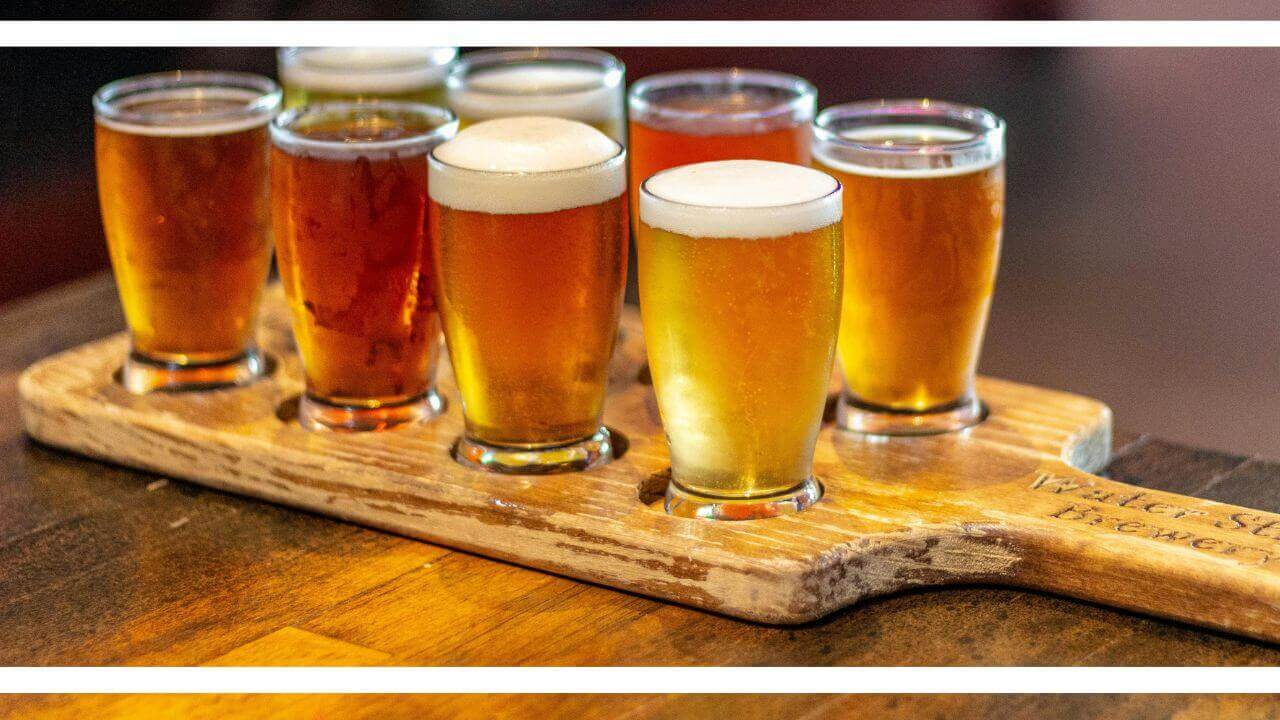
Taste from clean to bold to catch the details:
1) Pilsner or Helles (calibrate: clarity, carbonation, clean finish)
2) Pale Ale (aroma-first hops on a lean malt base)
3) West Coast-leaning IPA or modern hop variant (compare bitterness and aroma density)
4) Sour or fruited specialty (contrast with acidity and fruit lift)
5) Barrel-aged stout (BCBS or variant) as a composed closer
Flight tips:
- Add a few sips of water and a small lager taster between hop-heavy pours.
- If multiple BCBS variants are on, do a two-pour side-by-side and note differences in chocolate, vanilla, barrel spice, and perceived sweetness.
Taproom and Tour Experience: Fulton Street, Chicago
The Fulton Street facility is Goose Island’s production hub and a gathering place for fans who want a closer look at brewing and barrels.
What it feels like:
- Vibe: Industrial-chic with stainless tanks, barrel stacks, and a board that mixes core beers and specialty taps.
- Pace: Lively but conversational; you can chat process with staff and still enjoy a relaxed session.
- Staff: Knowledgeable and pairing-savvy; they’ll translate “citrusy and dry,” “roasty but not sweet,” or “dessert-leaning” into the right pour.
Tours and tastings:
- Book ahead—weekends and release windows fill quickly.
- Expect a walk-through of brewhouse basics, barrel-aging insights, and guided tastings.
- Release days (BCBS season) draw big crowds; arrive early and plan for lines if you want limited bottles.
Family and dog notes:
- Policies can vary by area and event. Check the website for current guidelines on minors and pets.
Food: What to Eat with Your Pour
Depending on the day and programming, you’ll find pop-ups, partner food trucks, or guidance on nearby bites in the West Loop/Fulton Market area—one of Chicago’s best dining districts. The neighborhood brings easy access to chef-driven spots, classic Chicago pizza, and quick snacks that fit a beer session.
Smart pairings on or near site:
- Lagers + pretzel with mustard or fried chicken: Carbonation slices through salt and fry oil.
- Pale/IPA + sausage or taco plates: Bitterness balances fat and char; citrus hops mirror lime and herbs.
- Sours + ceviche or goat cheese: Acidity and fruit brighten seafood and greens.
- BCBS + blue cheese, chocolate desserts, pecan pie, or smoked brisket: Sweet, salt, smoke, and roast meet barrel spice and cacao.
Pro tip: Salt amplifies bitterness. If your dish leans salty, choose a lager, pale ale, or sour before your most bitter IPA.
Local Flavor: Make It a Chicago Day
Goose Island sits within reach of some of the city’s best add-ons.
- Fulton Market and West Loop: Restaurants, bakeries, coffee roasters, and cocktail bars within a short ride or walk—ideal for pre- or post-brewery plans.
- Riverwalk and architecture: Pair an afternoon tour with a fresh lager and a sunset stroll.
- Sports and shows: Time a visit before a game or concert and grab to-go bottles for later.
Getting around:
- Rideshare is straightforward from downtown and neighborhood hubs.
- Weekend parking can tighten—arrive early for tours and events.
Practical Planning
- Address: 1800 W Fulton St, Chicago, IL 60612
- Website: https://www.gooseisland.com/
- Reservations and tours: Check the website for availability and booking; BCBS season sells out quickly.
- Best times: Weekday afternoons for focused flights and staff chats; early evenings for energy without long waits; release weekends for the full buzz.
- To-go beer: Expect fresh core cans and, seasonally, limited barrel-aged bottles with purchase limits.
- Keep it cool: Chicago summers can be hot—use a cooler bag to protect hop aroma and carbonation on the ride home.
- Merch: Barrel-inspired glassware, vintage-style apparel, and BCBS memorabilia for collectors.
How Goose Island Shaped the Industry
- Codifying barrel-aged stout as a seasonal event: Annual releases, variant storytelling, and blend notes taught drinkers to track vintages like wine.
- Normalizing blending and adjuncts with structure: Coffee, cacao, and vanilla became tools, not crutches, when supported by strong base beer and oak.
- Scaling with QA: Sensory programs, oxygen control, and cold-chain discipline showed how a craft pioneer could grow without losing its edge.
- Inspiring a generation: Breweries across the country built barrel programs that now anchor festivals, collaborations, and charity events.
Data points worth noting:
- Barrel-aged stout releases now headline beer festivals nationwide, drawing thousands of attendees and selling out in hours.
- Secondary markets and cellar culture—vertical tastings, vintage swaps—mirror wine communities, reflecting how BCBS helped elevate beer collecting.
Sample Itineraries
One-Hour “Clean-to-Barrel” Sprint
- Start: Pilsner (10–12 oz)
- Move: Pale Ale or IPA (aroma-first hops, dry finish)
- Close: 5–8 oz pour of BCBS or a variant
- To-go: Core IPA or lager for the fridge, BCBS bottle if available
Easy Evening (90–120 Minutes)
- Begin: Lager + pretzel or Caesar salad
- Add: IPA + sausage or taco plate
- Finish: BCBS + chocolate dessert or blue cheese
- Browse: Merch and to-go coolers before you head to dinner in the West Loop
Conclusion: Plan Your Visit to Goose Island
Goose Island Beer Co. pairs Chicago grit with brewing imagination. The brewery helped write the modern craft playbook and turned barrel-aged stout into a tradition that fans anticipate all year. At Fulton Street, you’ll taste the range: clean lagers, hop-forward ales, bright sours, and—when the season hits—Bourbon County Brand Stout that shows why blending, oak, and patience make magic.
Set your GPS to 1800 W Fulton St. Check gooseisland.com for hours, tours, and release updates. Start with something crisp, explore the hop side, then settle into a BCBS pour to understand the benchmark. Bring a cooler for to-go bottles, ask the bar team what’s freshest, and leave time to explore West Loop dining. If you want a taste of American craft history—still evolving, still inventive—Goose Island is a must.