Starting your home brewing journey can feel overwhelming with all the equipment options available. While you need various tools to brew great beer at home, one piece of brewing equipment stands out as absolutely essential for finishing your beer: a quality capper and bottle caps system, or alternatively, a kegging setup for draft service.
Whether you’re brewing your first batch or you’re an experienced brewer looking to refine your process, understanding your bottling and serving options will help you enjoy the fruits of your labor properly. The final step of packaging your finished beer is just as important as every other stage of the brewing process.
Let’s explore the essential equipment you need to bottle or keg your homemade beer, plus the key considerations that will help you choose the right system for your brewing setup.
Bottle Capping Systems: The Traditional Choice
For most beginning home brewers, bottling remains the most accessible way to package finished beer. A bottle capper is a simple tool that crimps metal caps onto beer bottles, creating an airtight seal that preserves your beer’s flavor and carbonation.
Manual Cappers
The most common type is the wing capper, also called a hand capper. These affordable tools use a lever mechanism to press caps onto bottles. Wing cappers typically cost between $15-25 and work well for small batches. They’re perfect for beginners who want to test the waters of home brewing without a major investment.
Bench cappers offer more stability and ease of use. These mount to a table or workbench and provide consistent, straight caps with less effort. Expect to pay $30-60 for a quality bench capper. They’re ideal if you plan to bottle regularly or brew larger batches.
Bottle Caps
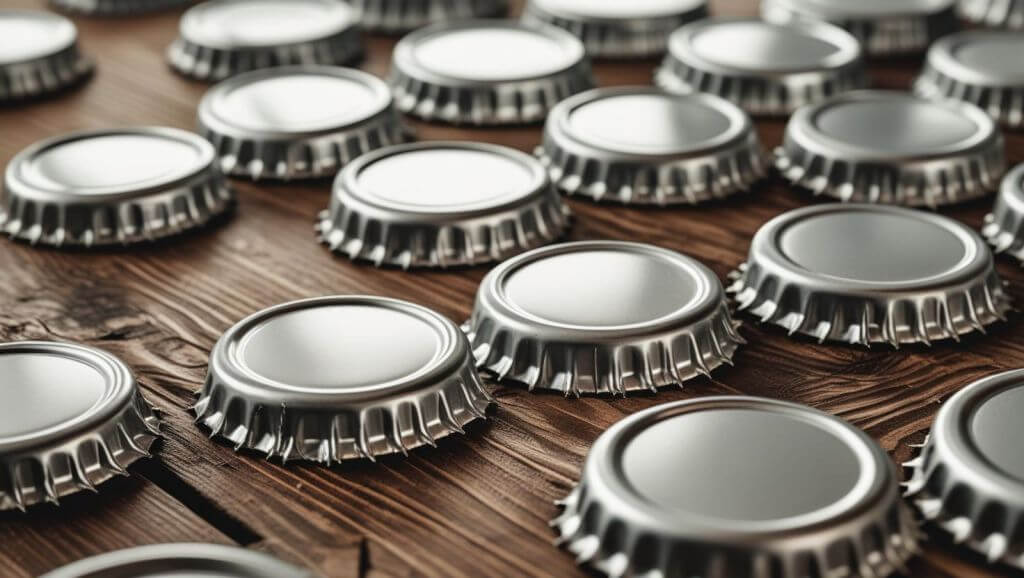
Standard bottle caps come in various colors, though most home brewers stick with basic gold or silver caps. You’ll need about 50 caps for a typical 5-gallon batch. Always use new caps for each batch—reusing caps can lead to poor seals and flat beer.
Some brewers opt for oxygen-absorbing caps, which help prevent oxidation and extend shelf life. These specialized caps cost slightly more but can improve beer quality, especially for styles sensitive to oxygen exposure.
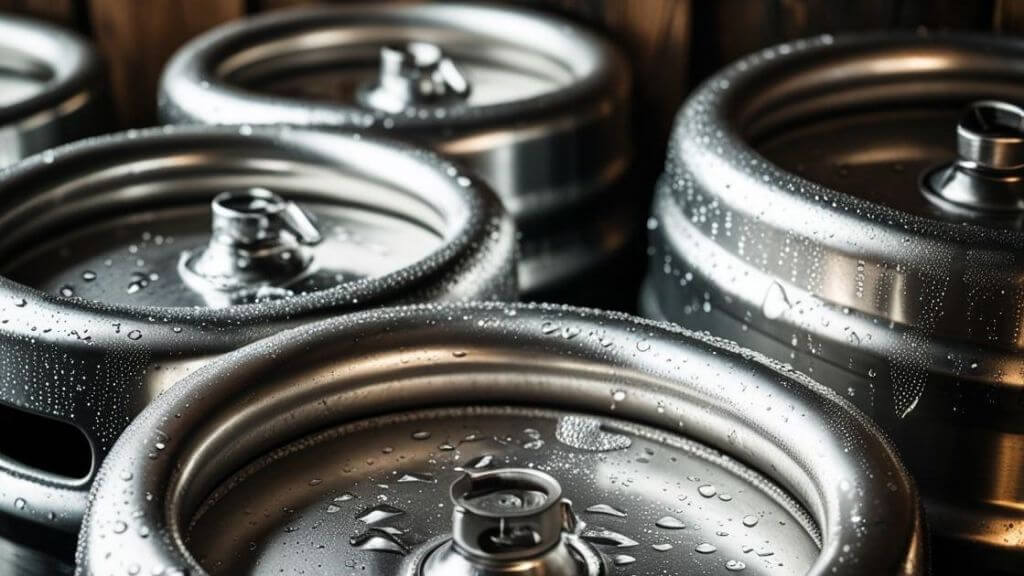
Kegging Systems: The Draft Beer Experience
Many experienced brewers eventually upgrade to kegging systems. Kegs offer several advantages: easier cleaning, faster packaging, and the ability to serve draft beer at home. However, kegging requires a larger upfront investment and more complex equipment.
Basic Kegging Components
A complete kegging setup includes several components. Cornelius kegs (or “Corny kegs”) are the standard choice for home brewers. These stainless steel vessels hold 5 gallons and feature convenient ball-lock or pin-lock connections.
You’ll also need a CO2 tank and regulator to carbonate and serve your beer. A 5-pound CO2 tank typically lasts for several kegs worth of beer. The regulator controls pressure, allowing you to carbonate your beer and maintain proper serving pressure.
Refrigeration Considerations
Kegged beer needs refrigeration for optimal serving. Some brewers convert chest freezers into kegerators using temperature controllers. Others invest in purpose-built kegerators or beer fridges. Factor in these costs when considering a kegging system.
Making the Right Choice for Your Setup
The decision between bottling and kegging depends on several factors. Consider your budget, available space, and brewing frequency when making this choice.
Bottling works well for infrequent brewers or those with limited space. It’s also ideal if you like to age beers long-term or share bottles with friends. The equipment is portable and doesn’t require dedicated refrigerator space.
Kegging excels for frequent brewers who want convenience and draft beer quality. It’s faster than bottling and produces less waste. However, kegged beer must be consumed relatively quickly and requires refrigerated storage space.
Essential Sanitization
Regardless of your packaging method, proper sanitization is critical. Home brewing sanitizer like Star San or Iodophor ensures your equipment won’t introduce harmful bacteria or off-flavors to your finished beer.
Always sanitize your bottles or kegs, caps, and any equipment that contacts your beer after fermentation. This step is non-negotiable for producing quality home brewing results.
Additional Bottling Equipment
Beyond the basic capper and caps, several accessories can improve your bottling process. A bottle filler wand helps control foam and makes filling easier. A bottle tree provides convenient sanitized storage for clean bottles.
Consider investing in a bottling bucket with a spigot for easier transfer from your fermenter. This gravity-fed system reduces splashing and oxidation during bottling.
Advanced Kegging Options
Experienced brewers often expand their kegging systems over time. Multiple taps allow you to have several beers on draft simultaneously. Some brewers add nitro systems for serving stouts and porters with creamy nitrogen foam.
Counter-pressure fillers let you bottle beer from kegs, combining the convenience of kegging with the portability of bottles. This equipment bridges the gap between both packaging methods.
Make Your Choice and Start Brewing
Whether you choose bottling or kegging, having the right equipment for packaging your finished beer is essential for any home brewing setup. Bottling offers an affordable entry point with minimal space requirements, while kegging provides convenience and professional draft beer quality.
Start with a basic bottling setup if you’re new to home brewing. As your interest and experience grow, you can always upgrade to kegging later. Many brewers maintain both systems, using bottles for special batches and kegs for regular consumption.
The most important thing is to choose quality brewing equipment that fits your budget and brewing goals. Proper packaging preserves all the hard work you put into creating your beer, ensuring every sip tastes exactly as intended.