If you’ve heard Asheville called “Beer City,” Wicked Weed Brewing is a big reason why. From vivid, fruit-forward sour ales to layered barrel-aged releases and inventive IPAs, Wicked Weed helped turn a mountain town into a craft beer destination. This spotlight shares what to drink first, how to plan your visit, smart food pairings, and the ways Wicked Weed shaped the national conversation around sour and barrel-aged beer.
- Address: 91 Biltmore Ave, Asheville, NC 28801
- Website: https://wickedweedbrewing.com
What You’ll Learn
- Why Wicked Weed’s sour, barrel-aged, and IPA programs matter
- What to expect from flagship sours, wild ales, and hop-forward favorites
- How their taprooms and food menus elevate the experience
- Practical planning tips: flights, freshness, tours, and timing
- How Wicked Weed helped Asheville become a craft beer hub

Wicked Weed’s Impact: From Wild Fermentation to National Attention
Wicked Weed opened in 2012 with a clear thesis: push flavor forward without losing balance. At a time when many breweries focused almost solely on IPAs, Wicked Weed invested heavily in mixed fermentation, barrel programs, and culinary-driven ingredients. The result was a portfolio that stood out on flavor and technique—and trained drinkers to expect excellence from sour and barrel-aged beers, not just novelty.
What that meant for the scene:
- Sour credibility at scale: By committing to both clean and mixed-culture facilities, Wicked Weed produced stable, expressive sours that bars and restaurants could trust. That reliability helped sours move from niche taster pours to full-pint options.
- Barrel program discipline: Blending across foeders and barrels (wine, spirit, and neutral oak) built layered beers with structure—acidity in tune, fruit real and vivid, oak present but not overpowering.
- IPA innovation with balance: Even as sours drew headlines, Wicked Weed’s IPAs leaned aroma-first with dry, food-friendly finishes, reinforcing a house style of intensity and control.
- Asheville amplification: Destination taprooms, culinary-focused menus, and steady festival presence drew beer tourists, boosted local hospitality, and helped cement Asheville’s national reputation.
Key takeaway: Wicked Weed didn’t just make sours trendy—they made them trustworthy, food-friendly, and widely sought after, while still delivering standout hop-forward beers.
The Beers: Sour Ales, Barrel-Aged Specials, and Inventive IPAs
Wicked Weed’s portfolio is known to rotate, but the through-line is clear: expressive aroma, clean structure, and finishes that invite another sip.
Sour and Wild Ales: Fruit-Forward, Balanced, and Bright
Expect a spectrum—from zippy kettle sours to mixed-culture farmhouse and wild ales. Fruit additions read authentic (berry, tropical, stone fruit, citrus), acidity lands refreshing rather than harsh, and carbonation stays lively.
What to notice:
- Aroma: real fruit and floral notes, hints of citrus zest, sometimes light funk in mixed-culture releases
- Palate: vivid fruit layered over acidity; oak in barrel-aged variants adds vanilla, spice, or tannic snap
- Finish: dry, mouthwatering, and food-ready
Pairing ideas:
- Goat cheese salad with berries or citrus vinaigrette (acidity and fruit amplify freshness)
- Ceviche, shrimp cocktail, or oysters (zest and bubbles elevate brine and lime)
- Fried chicken or tempura vegetables (acidity and carbonation cut fry oil)
- Lemon tart, cheesecake, or panna cotta (tang meets cream; bubbles keep bites light)
Serving tip: Many fruited sours shine at 45–50°F to unlock fruit aromatics without flattening carbonation.
Barrel-Aged Program: Depth, Blending, and Patience
Barrel-aged specialties range from wild ales rested in wine or spirit barrels to dark beers layered with cocoa, coffee, vanilla, or spice. The hallmark is balance: oak as an accent, not a mask; sweetness checked by acidity or roast.
What to expect:
- Wine barrel wilds: red or white wine character, oak spice, and nuanced fruit; tart but integrated
- Spirit barrel stouts/strongs: vanilla, cocoa, oak, and warming spirit notes over a structured base
- Foeder-aged blends: subtle funk, soft tannin, and a long, elegant finish
Pairing ideas:
- Blue cheese, aged gouda, or charcuterie (salt and umami balance acid and oak)
- Duck confit, smoked pork, or cocoa-rubbed ribs (richness echoes oak and roast)
- Flourless chocolate cake or dark cherry tart (cocoa and fruit harmonize)
Cellaring note: Many barrel-aged bottles evolve for 6–18 months. Store upright, cool, and dark.
Inventive IPAs and Pale Ales: Aroma-First, Dry-Finishing
Wicked Weed’s hop-forward beers often feature saturated citrus, tropical, and stone-fruit aromatics with bitterness tuned to refresh, not scrape. Hazy offerings add a soft mouthfeel while keeping residual sweetness in check. West Coast-leaning releases finish crisp with grapefruit and pine.
What to notice:
- Aromas: mango, pineapple, tangerine, grapefruit, pine, and fresh citrus peel
- Mouthfeel: lively carbonation; hazy beers feel plush but end tidy; clear IPAs land crisp
- Finish: dryness that invites food pairings and a second pour
Pairing ideas:
- Smash burger with sharp cheddar (bitterness cuts fat; citrus brightens char)
- Pepperoni or margherita pizza (citrus/pine meets tomato acid and cheese)
- Blackened fish tacos with lime crema (zest and bubbles lift heat and spice)
- Spicy noodles or curry (juicy hops temper heat; dry finish resets the palate)
Freshness tip: Ask what’s newly canned or tapped—hop aroma peaks with cold storage and recent packaging.
Crisp Calibrators: Lagers and Kölsch-Style
Between aromatic pours, reset your palate with crisp offerings. Expect bright clarity, noble-leaning hop lift, and a snappy, dry finish.
Pairs with:
- Pretzel with mustard, fries, or fried chicken sandwich
- Caesar salad, grilled shrimp, or oysters
- Charcuterie and pickled vegetables
How Wicked Weed Brews: Process That Protects Flavor
Executing clean IPAs, vivid sours, and precise barrel-aged beers under one brand requires strict separation, smart process, and thoughtful QC.
- Clean vs. sour facilities: Dedicated spaces and equipment prevent cross-contamination. That allows bright, clean IPAs alongside wild and mixed-fermentation projects with confidence.
- Yeast and fermentation control: Healthy pitches and tight temperature curves keep profiles focused—essential for hop clarity and delicate fruit expression.
- Hop strategy with intention: Whirlpool additions and layered dry-hopping saturate aroma while maintaining food-friendly bitterness and a dry landing.
- Fruit integrity: Real fruit additions and careful blending preserve aroma and color without cloying sweetness.
- Oak and blending: Barrel programs favor tasting across lots, then blending for balance—oak complements acidity or malt, never dominates.
- Oxygen control and cold-chain: Low dissolved oxygen targets and refrigerated logistics protect hop oils, delicate fruit aromatics, and carbonation from brewhouse to glass.
- Sensory QA and dating: Routine panels and clear date codes align taproom experience with to-go cans and bottles.
Result: Beers that smell vivid, drink clean, and finish crisp—whether the profile is sour, hoppy, or oak-influenced.
Taproom Atmosphere: Downtown Buzz with Mountain Hospitality
The brewpub at 91 Biltmore Ave puts you in the center of Asheville’s energy—lively indoors, open-air vibes when the weather’s kind, and service that guides you to the right pour fast.
What it feels like:
- Vibe: Lively yet easygoing—locals, hikers, and beer travelers mix comfortably
- Service: Knowledgeable and pairing-savvy; staff can translate “tart and fruity,” “juicy but dry,” or “toasty and crisp” into a flight
- Seating: Bar rails for solo tasters, communal tables for groups, and seasonal outdoor space
- Events: Release days, tap takeovers, and community gatherings—check the website for the calendar
Family and dog notes: Policies vary by space and season. Confirm current guidance on minors and pets before visiting, especially on busy weekends.
Food at Wicked Weed: Built for Beer
Menus tilt toward beer-friendly flavors—salt, char, herbs, citrus, and a little heat—so sours cut richness, IPAs brighten spice, and lagers reset your palate.
Smart pairings:
- Fruited sour + goat cheese salad with berries or citrus: acidity and fruit sing with tangy cheese
- Mixed-culture wild ale + mussels with garlic and herbs: bubbles and peppery notes lift brine and butter
- IPA + pepperoni pizza or hot chicken sandwich: bitterness balances fat and heat; citrus ties into tomato and spice
- Lager + pretzel with mustard or fried fish: carbonation tidies up salt and fry oil
- Barrel-aged stout/wild + blue cheese burger or chocolate torte: roast/oak meet umami or dessert
Pro tip: Salt amplifies bitterness. If your plate leans salty (fries, cured meats), start with a sour, lager, or hazy before your firmest-bitter IPA.
Build a Smart Tasting Flight
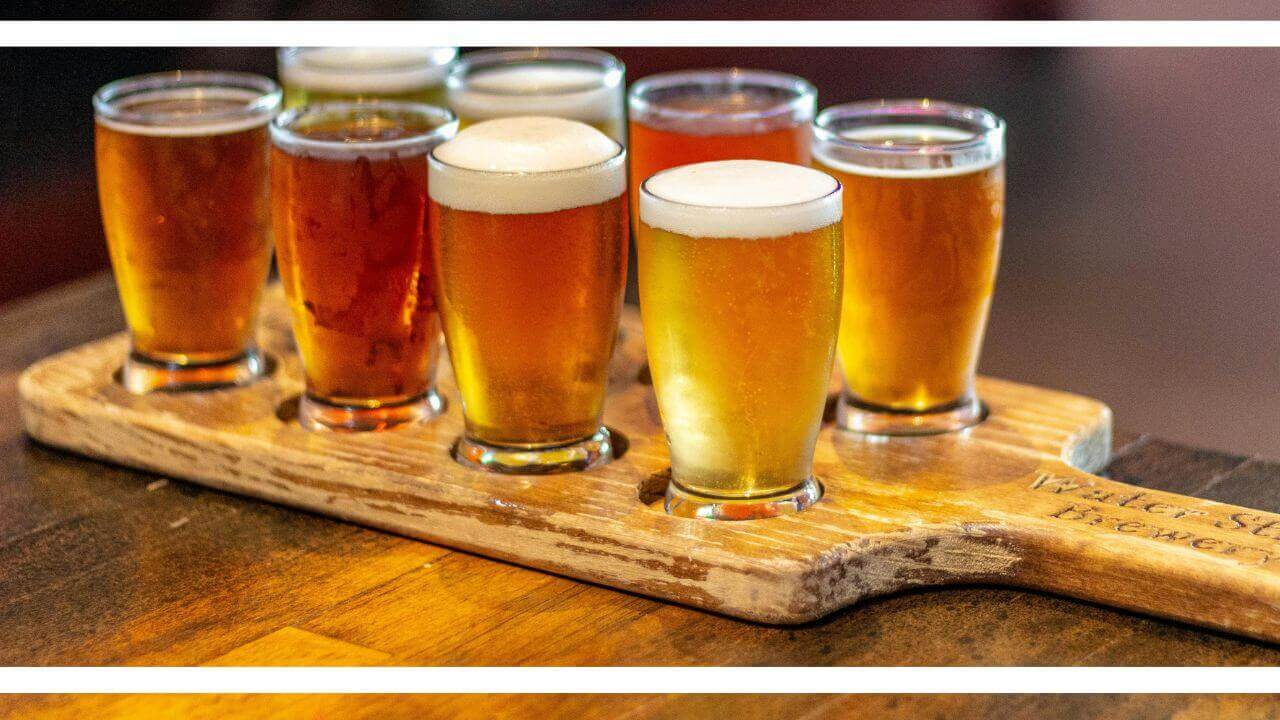
Taste clean to complex so your palate catches the details.
1) Lager or Kölsch-Style (calibrate clarity, foam, and snap)
2) Fruited Sour (note real fruit, refreshing acidity, and dry finish)
3) Mixed-Culture Wild Ale (compare oak, funk, and length)
4) Hazy or Juicy IPA (aroma density with a tidy landing)
5) West Coast-leaning IPA or Barrel-Aged Specialty (finish with crisp bitterness or layered oak depth)
Flight tips:
- Reset with water and a few sips of a crisp beer between aromatic pours.
- Side-by-side learning: Taste two sours—kettle vs. mixed culture—or two IPAs with different hop bills to feel the fingerprint of process and ingredients.
- Keep high-ABV or oak-heavy samples smaller to preserve sensitivity.
Make It an Asheville Day: Local Flavor Around the Brewery
Wicked Weed sits within walking distance of some of Asheville’s best eats, arts, and views.
Ideas to round out your visit:
- Art and mountain views: Walk galleries downtown, then catch sunset at a nearby overlook with to-go cans for later.
- BBQ and beer: Pair a local barbecue stop with a West Coast-leaning IPA—smoke and bitterness are natural partners.
- River and trails: Stroll the French Broad River or nearby greenways, then refresh with a fruited sour and a light snack.
- Brewery crawl: Explore a few Asheville taprooms for contrast (lagers, saisons, stouts), then return for a barrel-aged nightcap.
Logistics:
- Weekends and release days get busy—arrive early for the best seats.
- Rideshare or walk if you plan a downtown crawl; parking tightens on peak days.
- Bring an insulated bag for to-go bottles and cans; heat dulls hop aroma and softens carbonation.
Practical Planning
- Address: 91 Biltmore Ave, Asheville, NC 28801
- Website: https://wickedweedbrewing.com
- Best times: Weekday afternoons for relaxed flights and staff chats; early evenings and weekends for full energy; release days for the buzz
- Tours: Availability varies by location and season—check the website for current offerings and reservations
- To-go beer: Expect fruited sours, mixed-culture wilds, inventive IPAs, crisp calibrators, and limited barrel-aged bottles; purchase limits may apply on special drops
- Freshness check: Review packaging dates; keep hop-forward beers cold and drink them fresh. Cellar select barrel-aged or wild bottles if recommended on the label.
- Merch: Asheville-forward apparel, glassware tuned for sours and IPAs, and limited-release artwork
How Wicked Weed Helped Make Asheville a Craft Beer Hub
- Defined sour reliability: By producing balanced, stable, and varied sours at scale, Wicked Weed moved the category from novelty to staple, drawing enthusiasts to Asheville.
- Elevated blending culture: Foeders, wine and spirit barrels, and careful blending delivered depth and consistency, lifting the region’s expectations for barrel programs.
- Proved beer pairs with real menus: With acidity, carbonation, and dry finishes at the core, Wicked Weed’s beers unlocked pairings for chefs across Asheville.
- Anchored beer tourism: High-profile releases, lively taprooms, and a clear brand identity encouraged visitors to plan trips around beer—spending across hotels, restaurants, and shops.
Visible signals:
- Strong attendance for release days and special tappings
- Persistent demand for fruited sours and mixed-culture wilds, on-site and in distribution
- Restaurants featuring sours, IPAs, and wild ales alongside wine on pairing menus
Sample Sessions
One-Hour “Crisp-to-Sour-to-Hop” Sprint
- Start: Lager or Kölsch-Style (10–12 oz)
- Middle: Fruited Sour (note fruit character and refreshing acidity)
- Close: IPA (compare aroma density, dryness, and bitterness)
- To-go: Mixed 4-pack—one crisp, one fruited sour, one IPA, one seasonal wild
Easy Evening with Pairings (90–120 Minutes)
- Begin: Mixed-culture wild ale + mussels with herbs
- Move: Hazy IPA + blackened fish tacos with lime crema
- Add: West Coast-leaning IPA + pepperoni pizza
- Finish: Barrel-aged specialty + chocolate dessert or aged gouda
Conclusion: Plan Your Visit to Wicked Weed Brewing
Set your map to 91 Biltmore Ave and check wickedweedbrewing.com for hours, events, tours, and current taps. Start with something crisp to calibrate, dive into a fruited sour to feel the brewery’s signature balance, and compare a mixed-culture wild ale to a hazy or West Coast-leaning IPA. If a barrel-aged bottle is on offer, split one with the table and pair it with cheese or dessert. Keep hop-forward to-go cans cold, cellar select wilds or stouts if recommended, and give yourself time to explore Asheville’s food and arts scene around your visit. If you want a living snapshot of how sours, barrels, and inventive hops can shape a city’s beer identity, Wicked Weed Brewing pours it—bright, balanced, and unforgettable.