Whether you’ve brewed a few batches in your kitchen or you’re just getting started with home brewing, there’s one piece of brewing equipment that can transform your beer-making process: the wort chiller. This essential tool might not get the same attention as fermenters or brew kettles, but it plays a crucial role in creating clear, contamination-free beer.
If you’ve ever wondered why your homemade beer turns out cloudy or develops off-flavors, the answer might lie in how quickly you cool your wort after boiling. Let’s explore why a wort chiller deserves a spot in every home brewing setup and how to choose the right one for your needs.
What Is a Wort Chiller?
A wort chiller is a heat exchanger designed to rapidly cool your boiled wort from boiling temperature (around 212°F) down to fermentation temperature (typically 60-70°F for ales). This cooling process needs to happen as quickly as possible to prevent contamination and reduce the formation of dimethyl sulfide (DMS), which creates unpleasant off-flavors.
Without a wort chiller, many home brewers resort to ice baths or simply let their wort cool naturally. These methods can take hours and leave your beer vulnerable to bacterial contamination during the extended cooling period.
Why Rapid Cooling Matters for Your Beer
The science behind wort cooling reveals why speed is so important. When wort sits at temperatures between 80°F and 140°F for extended periods, it enters what brewers call the “danger zone” — the perfect temperature range for unwanted bacteria and wild yeast to multiply.
Rapid cooling also helps create what’s known as a “cold break.” This process causes proteins and tannins to coagulate and settle out of the wort, resulting in clearer beer with better flavor stability. The faster you cool, the more pronounced this cold break becomes.
Additionally, quick cooling helps preserve the hop character in your beer. Extended exposure to heat can drive off volatile hop compounds, reducing the aroma and flavor you worked hard to achieve during the boil.
Types of Wort Chillers: Immersion vs. Counterflow
When shopping for brewing equipment, you’ll encounter two main types of wort chillers: immersion chillers and counterflow chillers. Each has distinct advantages depending on your brewing setup and experience level.
Immersion Chillers
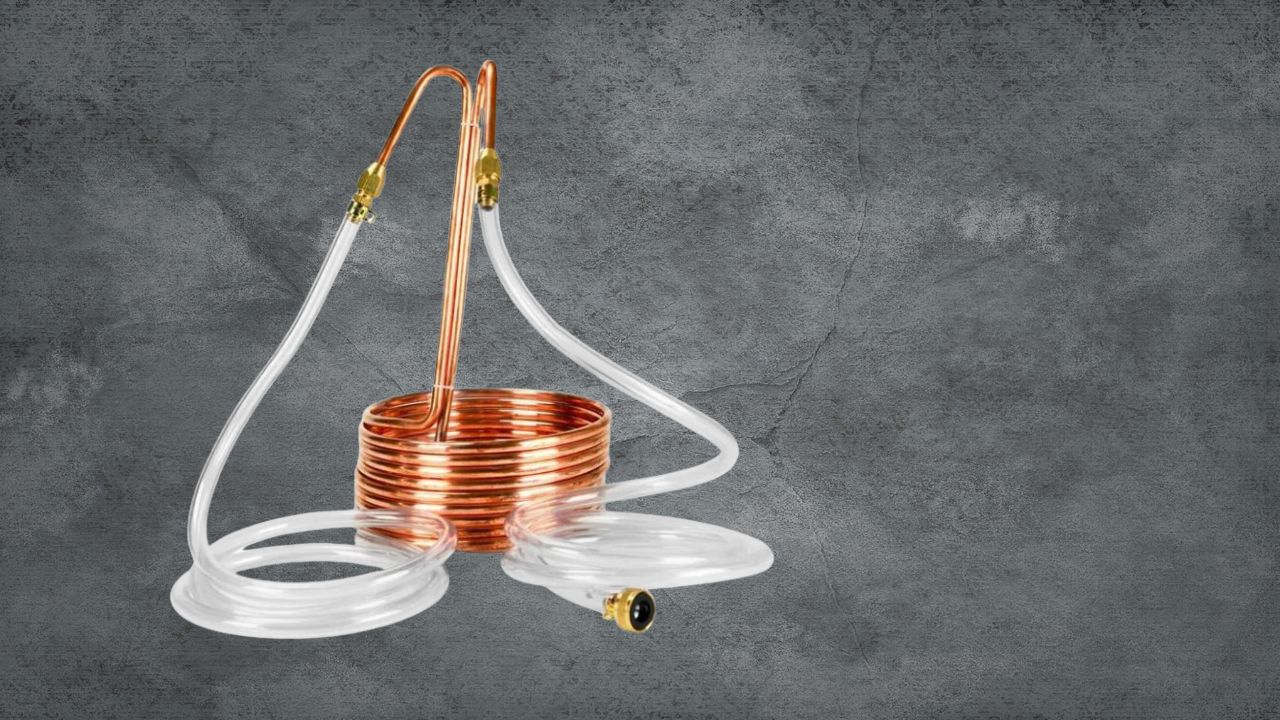
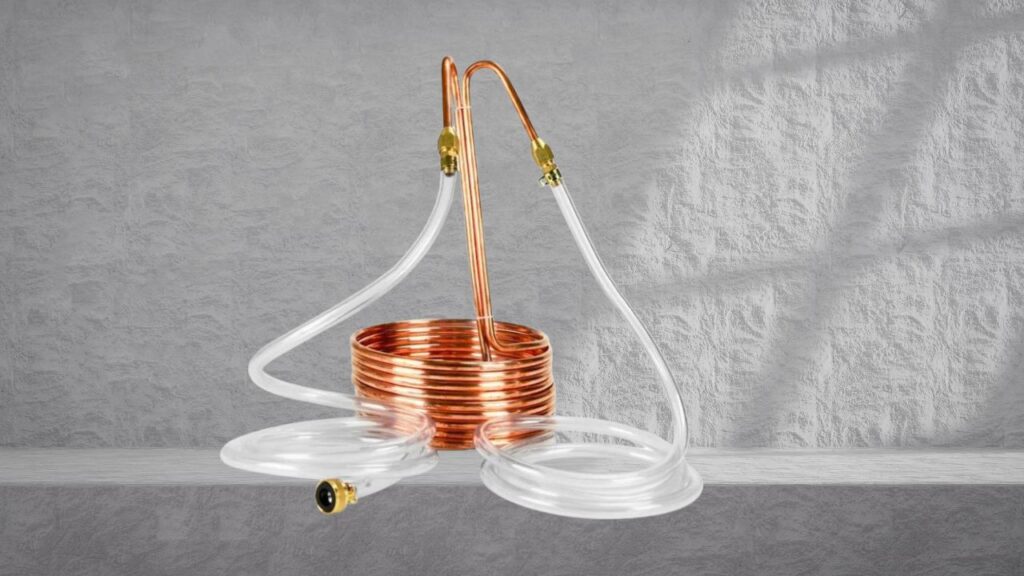
Immersion chillers are the most popular choice among home brewers, especially beginners. These coiled copper or stainless steel tubes sit directly in your brew kettle during the final minutes of the boil. Cold water flows through the coil, absorbing heat from the surrounding wort.
The main advantages of immersion chillers include their simplicity and ease of cleaning. You can sanitize them by leaving them in the boiling wort for the last 10-15 minutes of your boil. They’re also relatively affordable and work well for batch sizes up to 10 gallons.
However, immersion chillers do have limitations. They typically take 15-30 minutes to cool a full batch, and their effectiveness depends heavily on your water temperature and flow rate.
Counterflow Chillers
Counterflow chillers offer faster cooling times by passing hot wort through one tube while cold water flows through a surrounding jacket in the opposite direction. This design maximizes heat transfer efficiency, often cooling wort in just 5-10 minutes.
These chillers excel at maintaining precise temperature control and work particularly well for larger batch sizes. Many experienced brewers prefer counterflow systems because they can chill wort while transferring it directly to the fermenter.
The main drawbacks include higher costs and more complex cleaning requirements. Since wort flows through internal passages, thorough sanitization requires more effort and specialized cleaning solutions.
Choosing the Right Wort Chiller for Your Setup
Several factors should guide your decision when selecting a wort chiller. Consider your batch size first — most home brewing equipment is designed for 5-gallon batches, but if you brew larger quantities, you’ll need a more powerful chiller.
Your water source matters too. If you have access to very cold groundwater, an immersion chiller might cool your wort faster than expected. However, if your tap water runs warm, you might benefit from the superior heat transfer of a counterflow system.
Budget plays a role as well. Quality immersion chillers start around $60-80, while counterflow chillers typically cost $150-300. Remember that this investment will improve every batch you brew going forward.
Space considerations shouldn’t be overlooked. Immersion chillers need to fit in your brew kettle, while counterflow chillers require adequate tubing length and storage space.
Using Your Wort Chiller Effectively
Proper technique maximizes your wort chiller’s performance. For immersion chillers, create circulation by gently stirring the wort or moving the chiller in a figure-eight pattern. This prevents hot spots and ensures even cooling throughout the batch.
Water flow rate affects cooling speed significantly. Higher flow rates improve heat transfer, but don’t waste water — find the sweet spot where increasing flow no longer decreases cooling time substantially.
Consider recirculating your cooling water. The first few minutes of hot runoff can water gardens or be collected for cleaning, while a recirculation pump can extend the usefulness of your cooling water supply.
Maintenance and Care
Keeping your wort chiller clean ensures both longevity and beer quality. Copper chillers develop a patina over time — this natural oxidation actually helps prevent copper from leaching into your beer, so don’t scrub it off.
For routine cleaning, rinse thoroughly with hot water immediately after use. Periodically clean with a mild acid solution like citric acid to remove mineral deposits, especially if you have hard water.
Store your chiller properly to prevent contamination. Ensure it’s completely dry before storage, and consider hanging coiled chillers to prevent kinking.
The Investment That Pays Off
A quality wort chiller represents one of the best investments you can make in your home brewing equipment. The improvement in beer quality — clearer appearance, cleaner flavors, and reduced risk of contamination — justifies the cost within just a few batches.
Beyond quality improvements, wort chillers make brewing more efficient. Faster cooling means shorter brew days and quicker turnaround between batches. This efficiency becomes increasingly valuable as your passion for brewing grows.
For anyone serious about creating exceptional homemade beer, a wort chiller isn’t just helpful — it’s essential. Whether you choose an immersion or counterflow design, this single piece of equipment will elevate every beer you brew from good to outstanding.
Meta data
Meta title
Why Every Home Brewer Needs a Wort Chiller | Essential Gear Guide
Meta description
Discover why wort chillers are essential home brewing equipment. Learn about immersion vs counterflow designs and how rapid cooling improves your beer quality.