Starting your home brewing journey can feel overwhelming with all the brewing equipment options available. While there’s plenty of gear to choose from, some tools are absolutely essential for creating great beer at home. Among the most critical pieces of home brewing equipment is the auto-siphon and tubing system, which plays a vital role in transferring your beer safely between containers.
This guide will walk you through everything you need to know about auto-siphons, why they’re essential for home brewing, and how to use them effectively. Whether you’re just getting started or looking to upgrade your current setup, understanding this fundamental piece of beer brewing gear will help you create better, cleaner-tasting beer.
What Is an Auto-Siphon?
An auto-siphon is a specialized piece of home brewing equipment designed to transfer beer from one container to another without introducing oxygen or contamination. This tool consists of a clear plastic tube with a pump mechanism that creates suction, allowing you to move liquid safely and efficiently.
The auto-siphon works by creating a siphon effect through a simple pumping action. Unlike traditional siphoning methods that require you to start the flow by mouth (which can introduce bacteria), the auto-siphon uses a sanitary pump system. This makes it an essential tool for maintaining the quality and safety of your homebrew.
Why Auto-Siphons Are Essential for Home Brewing
Prevents Contamination
The primary benefit of using an auto-siphon is contamination prevention. When transferring beer between containers, any exposure to bacteria or wild yeast can ruin your entire batch. The auto-siphon creates a closed system that keeps your beer protected throughout the transfer process.
Unlike other transfer methods, you never need to put your mouth near the equipment or beer. This eliminates the risk of introducing harmful bacteria from your mouth, which is one of the most common causes of spoiled homebrew.
Minimizes Oxygen Exposure
Oxygen is beer’s enemy after fermentation begins. Excessive oxygen exposure can lead to off-flavors, staling, and a cardboard-like taste in your finished beer. The auto-siphon’s design minimizes splashing and turbulence during transfers, keeping oxygen contact to a minimum.
The smooth, controlled flow helps preserve your beer’s flavor profile and extends its shelf life. This is particularly important when transferring from primary to secondary fermentation or when bottling your finished beer.
Enables Precise Control
Auto-siphons give you excellent control over the transfer process. You can start and stop the flow as needed, which is especially helpful when you need to leave sediment behind in the original container. This precision helps create clearer, better-tasting beer.
How to Use an Auto-Siphon Properly
Sanitization Is Critical
Before using your auto-siphon, thorough sanitization is absolutely essential. Any bacteria or wild yeast on your equipment can contaminate your entire batch of beer. Use a no-rinse sanitizer like Star San or Iodophor, which are specifically designed for brewing equipment.
Soak all parts of the auto-siphon and tubing in sanitizer solution for the recommended contact time. Star San typically requires just 30 seconds of contact time, while Iodophor needs about two minutes. Don’t rinse after sanitizing—these home brewing sanitizers are designed to remain on the equipment.
Setting Up the Transfer
Position your containers so the source vessel is higher than the destination. This height difference helps gravity assist the siphoning process. Attach the tubing to the auto-siphon, ensuring all connections are secure.
Insert the auto-siphon into the beer, keeping the intake end above any sediment layer at the bottom. You want to transfer the clear beer while leaving the sediment behind.
Starting the Siphon
Give the auto-siphon pump a few quick, firm strokes to start the flow. You’ll see beer begin moving through the tube. Once the siphon starts, gravity will maintain the flow—no additional pumping needed.
Monitor the flow rate and adjust the tubing position if necessary. If the flow stops, you may need to give the pump another stroke or check for air leaks in your connections.
Choosing the Right Auto-Siphon
Auto-siphons come in different sizes, typically ranging from 3/8 inch to 1/2 inch in diameter. Larger diameters transfer liquid faster but may create more turbulence. For most home brewing applications, a 3/8-inch auto-siphon provides the best balance of speed and gentle handling.
Look for auto-siphons made from food-grade plastic that can withstand repeated sanitizing. Some models include a sediment reduction tip, which helps you transfer clearer beer by leaving more sediment behind.
Tubing Considerations
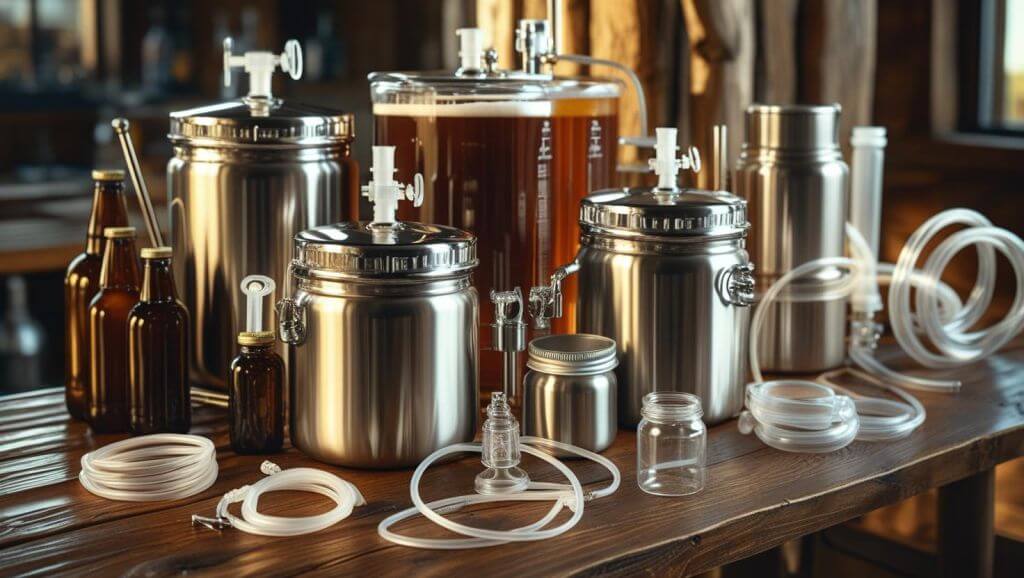
The tubing you pair with your auto-siphon is equally important. Food-grade vinyl tubing is the most common choice, as it’s flexible, clear, and easy to sanitize. The standard size is 3/8-inch inner diameter, which fits most auto-siphons perfectly.
Replace tubing regularly, as it can harbor bacteria in scratches and become cloudy over time. Clear tubing allows you to see the beer flow and spot any potential issues during transfer.
Maintenance and Care
After each use, clean your auto-siphon thoroughly with warm water and a brewing equipment cleaner. Pay special attention to the pump mechanism, as beer residue can stick in the moving parts.
Store your auto-siphon disassembled to allow all parts to dry completely. This prevents mold growth and extends the life of your equipment. Before each use, inspect all parts for cracks or damage that could harbor bacteria.
Common Mistakes to Avoid
Many new brewers make the mistake of not sanitizing properly. Remember that any surface that contacts your beer must be sanitized—this includes not just the auto-siphon but also the tubing and any containers.
Another common error is starting the siphon too aggressively, which can create excessive foam and introduce oxygen. Use gentle, controlled pumps to start the flow, then let gravity do the work.
Don’t rush the transfer process. Moving beer too quickly can create turbulence and pick up sediment. A slow, steady transfer produces clearer, better-tasting beer.
Elevate Your Home Brewing Game
The auto-siphon and tubing system represents one of the most important investments you can make in your home brewing equipment. This essential tool protects your beer from contamination and oxidation while giving you the control needed to produce professional-quality results.
Proper sanitization with products like Star San or Iodophor, combined with careful technique, will help you transfer beer safely and efficiently. Remember that great beer starts with great practices—and using the right brewing equipment is fundamental to success.
Ready to upgrade your home brewing setup? Start with a quality auto-siphon system and experience the difference proper beer transfers can make in your finished product.