Creating exceptional craft beer at home requires more than just quality ingredients and patience. The tools you use can make the difference between a mediocre batch and a brew that rivals your favorite taproom offerings. Among the essential home brewing equipment, one tool stands out as absolutely critical yet often overlooked: the long brewing spoon or paddle.
- The Long Brewing Spoon: Your Most Important Stirring Companion
- What Makes a Brewing Spoon Essential?
- Materials Matter for Beer Brewing Gear
- Choosing the Right Size and Design
- Mastering Wort Stirring Techniques
- Building Your Complete Home Brewing Setup
- Frequently Asked Questions
- How long should I stir my wort during brewing?
- Can I use a regular kitchen spoon for home brewing?
- What’s the difference between a spoon and paddle for brewing?
- How do I clean and maintain my brewing spoon?
- Elevate Your Brewing Game with Quality Equipment
Whether you’re just starting your home brewing journey or looking to upgrade your current setup, understanding the importance of proper stirring equipment will transform how you approach wort preparation and ingredient mixing. This comprehensive guide explores why a quality brewing spoon deserves a place in every home brewer’s arsenal and how to choose the right one for your brewing needs.
The Long Brewing Spoon: Your Most Important Stirring Companion
What Makes a Brewing Spoon Essential?
A long brewing spoon or paddle serves as the backbone of your home brewing process. Unlike regular kitchen spoons, brewing equipment is specifically designed to handle the unique challenges of beer making. These specialized tools typically measure 20-24 inches in length, allowing you to safely reach the bottom of large brewing kettles without risking burns from steam or splashing hot wort.
The primary function extends far beyond simple stirring. During the brewing process, you’ll use your spoon to dissolve specialty grains, incorporate brewing sugars, mix in hops additions, and ensure even temperature distribution throughout your wort. Without proper stirring, you risk uneven extraction, hot spots that can scorch your ingredients, and incomplete mixing that affects your final beer’s flavor profile.
Materials Matter for Beer Brewing Gear
When selecting home brewing equipment, material choice significantly impacts both performance and longevity. Stainless steel remains the gold standard for brewing spoons, offering superior durability, heat resistance, and easy sanitization. Unlike wooden paddles, stainless steel won’t absorb flavors or harbor bacteria, making it ideal for brewing different beer styles without cross-contamination.
Food-grade plastic paddles provide an affordable alternative, especially for beginner home brewers. These lightweight options reduce fatigue during extended stirring sessions and won’t scratch delicate equipment surfaces. However, they may not withstand the high temperatures required for certain brewing techniques.
Some brewers prefer wooden paddles for their traditional appeal and natural feel. While wood requires more careful maintenance and replacement over time, many experienced brewers appreciate the tactile connection to brewing’s artisanal roots.
Choosing the Right Size and Design
The ideal brewing spoon length depends on your typical batch size and kettle dimensions. For standard 5-gallon home brewing setups, a 20-inch spoon provides adequate reach while maintaining control. Larger batch brewers may require 24-inch or longer paddles to effectively stir their wort.
Paddle width affects stirring efficiency and control. Wider paddles move more liquid with each stroke, making them excellent for initial mixing and dissolving large amounts of extract. Narrower spoons offer greater precision for delicate operations like adding hops or testing gravity samples.
Look for ergonomic handles that provide comfortable grip during extended use. Some brewing spoons feature angled or curved handles that reduce wrist strain, while others include measurement markings for convenient liquid level monitoring.
Mastering Wort Stirring Techniques
Proper Stirring Methods for Different Brewing Stages
Effective wort stirring requires different techniques depending on your current brewing stage. During the initial mixing of malt extract, use broad, sweeping motions to incorporate the syrup completely. Gentle figure-eight patterns help prevent scorching while ensuring thorough dissolution.
When adding specialty grains or brewing sugars, maintain steady, circular stirring to create a whirlpool effect. This technique promotes even distribution and prevents settling at the kettle bottom. Avoid aggressive stirring that might splash hot wort or create excessive foam.
For hop additions, brief gentle stirring suffices to distribute the hops throughout the wort. Over-stirring at this stage can extract excessive tannins, leading to astringent off-flavors in your finished beer.
Temperature Control Through Strategic Stirring
Proper stirring plays a crucial role in temperature management throughout your brewing process. During heating phases, regular gentle stirring prevents hot spots that can caramelize sugars and create unwanted flavors. Focus on bringing liquid from the bottom of the kettle to the surface for even heat distribution.
When cooling your wort, strategic stirring can accelerate the process by promoting heat transfer. However, once you begin cooling, maintain sanitary conditions by ensuring your brewing spoon has been properly cleaned and sanitized.
Building Your Complete Home Brewing Setup
Essential Equipment Beyond the Brewing Spoon
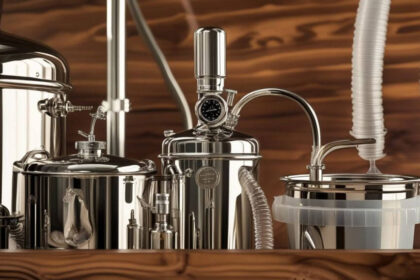
While your brewing spoon forms the foundation of your stirring arsenal, successful home brewing requires several other critical pieces of beer brewing gear. A quality brewing kettle, typically 6-8 gallons for 5-gallon batches, provides adequate space for boiling without overflow risks.
Fermentation vessels, whether plastic buckets or glass carboys, house your beer during the crucial fermentation phase. Choose food-grade materials that resist scratching and allow for easy cleaning and sanitization.
Temperature control equipment, including thermometers and potentially fermentation chambers, ensures your yeast performs optimally throughout the brewing process. Consistent temperatures produce cleaner, more predictable results.
Sanitation: The Unsung Hero of Home Brewing
Every piece of brewing equipment that contacts your wort post-boil requires thorough sanitization. Your brewing spoon, having touched your wort throughout the process, demands particular attention to cleanliness protocols.
Develop a consistent sanitization routine using no-rinse sanitizers like Star-San or potassium metabisulfite solutions. Clean your equipment immediately after use, then sanitize before the next brewing session to prevent contamination that can ruin entire batches.
Store your sanitized brewing equipment in clean, covered containers to maintain sterility until your next brewing day. Many home brewers designate specific storage areas exclusively for brewing gear to minimize cross-contamination risks.
Frequently Asked Questions
How long should I stir my wort during brewing?
Stirring duration varies by brewing stage and purpose. For dissolving extracts, stir until completely incorporated—typically 2-3 minutes. During boiling, brief periodic stirring prevents scorching. When adding ingredients, stir just enough to distribute evenly, usually 30-60 seconds.
Can I use a regular kitchen spoon for home brewing?
While possible for small batches, regular kitchen spoons lack the length needed for safe, effective stirring in standard brewing kettles. They also may not withstand brewing temperatures or provide adequate reach for proper mixing.
What’s the difference between a spoon and paddle for brewing?
Brewing spoons typically feature narrower, more rounded heads ideal for gentle stirring and precision work. Paddles have wider, flatter heads that move more liquid efficiently but provide less control for delicate operations.
How do I clean and maintain my brewing spoon?
Clean immediately after use with hot water and brewing-specific cleaners like PBW or OxiClean Free. Rinse thoroughly, then sanitize before storage. Stainless steel spoons require minimal maintenance, while wooden paddles need periodic conditioning with food-grade mineral oil.
Elevate Your Brewing Game with Quality Equipment
Investing in proper home brewing equipment, starting with a quality long brewing spoon, sets the foundation for consistently excellent homemade beer. The difference between mediocre and outstanding homebrew often lies not in secret ingredients or complex techniques, but in attention to fundamental brewing practices and using appropriate tools for each task.
As you develop your brewing skills, you’ll discover how the right equipment enhances every aspect of the process. From the satisfaction of smoothly stirring grain bills to the precision of hop additions, quality brewing gear transforms beer making from a chore into a craft.
Ready to upgrade your home brewing setup? Start with a professional-grade brewing spoon, then gradually expand your equipment collection as your skills and ambitions grow. Your future batches will thank you for the investment in proper brewing equipment.